

Most online casinos let their FAQ section become outdated, stuffed with generic policy snippets. Stake Casino chose a different path. They transformed their help documentation into a evolving tool that mirrors the real questions players ask. Scrutinize the content, particularly from the perspective of Canadian user feedback, and you’ll identify a obvious strategy. Stake constructs its knowledge base from real, location-specific queries. This achieves two goals: transparency and user education. The approach goes beyond fixing glitches. It addresses the fine details of gameplay, how money moves, and what you can reach from different regions. By providing clarity before players even ask, Stake establishes trust. What you get is a living document that addresses problems early and proves a real understanding of what it’s like to participate from key markets like Canada.

The role of User Feedback in FAQ Building
Stake Casino’s FAQ isn’t written in some distant corporate office. Its shape and content come directly from data in customer support tickets and forum discussions. By compiling the most common and urgent questions from users, the platform identifies where confusion occurs and information is absent. For Canadian players, this process means the FAQ covers local particulars a generic global guide would overlook. This process of feedback keeps the resource current and practical. It turns the section from a frozen rulebook into an active tool that assists members. That reduces the load on support teams and demonstrates the casino is paying attention. When new payment options arrive, regulations evolve, or games debut, the FAQ revises. Player inquiries directly determine what gets updated first.
Creating Trust By Transparency and Detail
The amount of detail in Stake Casino’s FAQ is intentional. It’s a calculated way to foster trust. In online gambling, unclear terms can undermine credibility. Clear, easy-to-find information does the contrary. For Canadians dealing with a complex regulatory environment, this transparency is critical. The FAQ does not shy away from technical or sensitive topics. It clarifies the source of game licenses, outlines security protocols for data and funds, and discloses the house edge for certain games where needed. This upfront approach eliminates doubt. It demonstrates that Stake values the player’s intelligence and right to know. That alleviates anxiety about financial transactions and fair play. This documented transparency becomes a significant advantage, comforting both new and experienced players that they’re on a platform that opts for clarity over confusion.
- The FAQ offers verifiable details on security certifications and data encryption standards used to safeguard user accounts and transactions.
- It openly discusses the licensing jurisdiction (Curaçao eGaming) and what that means for player protection and dispute resolution.
- Straightforward, mathematical explanations of Provably Fair technology are offered, allowing users to independently verify game fairness.
Moving Past Fundamentals: Tackling Real Gameplay Questions
Stake’s FAQ steps past simple logistics. It tackles the deeper gameplay and fairness questions that are important to players. The section delivers plain explanations of how Provably Fair algorithms work, a core part of Stake’s crypto offering. It even provides steps for players to verify game rounds themselves. This transparency creates trust directly. The FAQ also explains bonus mechanics, wagering requirements, and how different games contribute to those requirements. These are common friction points across the industry. For Canadian users wondering about specific games like live dealer options or new slots, the FAQ often notes what’s accessible to them. By describing the technology and terms in straightforward language, Stake helps players engage with more confidence. This turns potential disputes into informed participation.
Breaking down Canadian-Specific Queries in Stake’s FAQ
Examine Stake’s FAQ with a Canadian focus, and you discover content adapted to local life. It focuses on key areas. One is the legal status of cryptocurrency gambling in Canada. The FAQ states this depends on provincial rules and is the user’s responsibility. It provides detailed guidance on handling currency, especially using Canadian dollars alongside Bitcoin or Ethereum, including how conversions work and what fees apply. The FAQ also covers payment processors available in the region, like Interac, with clear timelines for deposits and withdrawals. It goes further to address practical worries: geolocation verification, which bonuses Canadians can claim, and the tax implications of winning money. This level of specificity indicates the FAQ is built from real player questions, not corporate guesses.
- Legal and regulatory guidance customized to Canada’s provincial framework.
- In-depth explanations of fiat (CAD) and crypto transaction workflows.
- Spotlight on payment methods like Interac, with clear processing times.
- Explanation on bonus terms and geographic restrictions for Canadian users.
- Information on account verification processes within the region.
Comparative Analysis: Stake FAQs vs. Standard Casino Help Pages
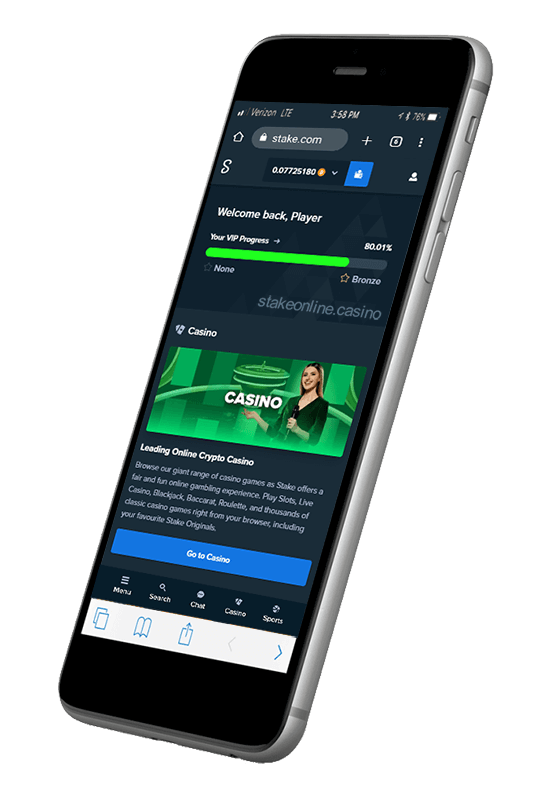
Compare Stake’s FAQ to the typical help page of a typical online casino stake experience. The distinction is clear. Many standard FAQs are protective documents, largely there to minimize the operator’s liability with vague, copied terms. Stake’s version is an instructional tool. Where others might imprecisely say «bonuses are subject to terms,» Stake’s entries often detail contribution rates for different game types. While others just mention payment methods, Stake includes nuanced, region-aware particulars on transaction limits and network confirmations. This side-by-side look demonstrates Stake’s content is influenced by real data, the questions actual players ask. The outcome is a more functional, less formal tone. It strives to direct, not just alert. This difference matters to experienced players in Canada and around the world.
- Detail over breadth: Stake explains «how» and «why,» not just «what.»
- Local awareness: Content reflects payment and regulatory realities of certain markets like Canada.
- Proactive updates: The FAQ adapts with new game launches and payment methods, unlike unchanging generic pages.
- Informative focus: It aims to make users more informed players, not just to address complaints.
The impact on Customer Support Effectiveness
A comprehensive, well-organized FAQ relieves a casino’s support team. By analyzing Canadian user feedback and embedding the answers in the help section, Stake lets players get instant solutions to common issues. This productivity aids everyone. Users obtain immediate fixes, and support agents can concentrate on more complex, personal problems that need a human touch. The FAQ serves as a first filter, managing everything from account verification and deposit troubles to bonus claim errors. This self-service model is especially beneficial in a market like Canada, where players might have questions outside of support center hours. In the end, a FAQ that’s properly maintained delivers a smoother experience with less frustration. That enhances customer satisfaction and whether players remain.
Future-Proofing FAQs with Changing User Feedback
The best knowledge bases can adapt. Stake Casino’s practice of integrating user feedback signifies its FAQ is built to evolve. As the Canadian market evolves, with potential regulatory updates, new digital currencies, or gaming trends, the FAQ can be updated rapidly to mirror reality. The ongoing process of reviewing support interactions and community sentiment supplies a steady stream of data to inform these changes. Future versions might include more multimedia, like short videos illustrating how to validate a Provably Fair round, or interactive guides for new payment methods. Because Stake considers the FAQ as a central, active part of the user experience, not an administrative chore, it stays relevant. It stays a powerful tool for building player trust and know-how in a digital gambling environment that never stands still.

Leave A Comment